Electricity is the lifeblood of modern economies, driving industrial growth, technological innovation, and the digital economy. In a world that is increasingly connected, the role of electricity cannot be overstated. For industries, a reliable power supply is essential for manufacturing, productivity, and competitiveness in the global market. The digital economy, which thrives on data, internet connectivity, and technology-driven solutions, relies on stable electricity for everything from cloud computing to AI applications. Without a stable energy foundation, a nation’s economic progress is severely limited.
Unfortunately, Nigeria’s power supply system remains one of the most challenged in the world. Despite being Africa’s largest economy and the most populous country on the continent, Nigeria faces serious energy poverty. Frequent power outages, low generation capacity, and an underdeveloped power infrastructure have left millions of Nigerians and businesses without the reliable electricity they need to thrive. The current state of power generation in Nigeria presents a stark contrast to other African countries, many of which are making strides in renewable energy adoption.
Historical Background: The Cause of Nigeria’s Power Crisis
The roots of Nigeria’s power crisis date back to the early days of its post-independence development. Since the 1960s, the country has struggled with the challenges of power generation, distribution, and transmission. The electricity sector, which was initially seen as an essential part of Nigeria’s industrialization process, has been plagued by inefficient infrastructure, poor governance, mismanagement, and underinvestment. Power plants have been poorly maintained, while funding for new projects has been insufficient.
The political instability and corruption that have marked much of Nigeria’s history have only compounded these issues. The country’s dependence on oil and gas has meant that power generation has been largely tied to the availability of these resources, creating further instability in the power sector as global oil prices fluctuate. Over the years, the government has embarked on multiple power sector reforms, but most of them have been unsuccessful in tackling the fundamental issues of generation capacity, infrastructure, and distribution.
Today, Nigeria’s total installed electricity generation capacity stands at approximately 12,500 MW, but only a fraction of this is available at any given time due to a range of issues including gas supply shortages, dilapidated infrastructure, and transmission losses. By contrast, countries like Egypt, South Africa, and Morocco have significantly larger and more reliable energy grids, and many are rapidly increasing their renewable energy capacity to meet growing demand.
The Root Causes of Epileptic Power Supply
The underlying causes of Nigeria’s power supply issues are multifaceted. First, the country’s electricity generation infrastructure is outdated and inadequate. Power plants that were built decades ago remain operational, yet are inefficient and require costly maintenance or upgrades. Additionally, the transmission and distribution networks are fragmented and prone to frequent breakdowns, resulting in massive energy losses.
Second, Nigeria’s reliance on natural gas for power generation has proven to be both a blessing and a curse. While the country has vast reserves of natural gas, the infrastructure for its extraction, transportation, and distribution is lacking. Regular disruptions in the supply of gas to power plants have led to frequent blackouts, even when power generation plants are functional.
Third, regulatory inefficiencies and corruption have stifled the development of new power generation projects. A lack of coherent long-term policy direction and failure to attract substantial foreign investment have meant that even though demand for electricity continues to rise, the supply remains stagnant.
The IGE Framework: A Novel Solution to Power Supply Challenges
In light of these challenges, I propose a novel internally generated electricity (IGE) framework as a comprehensive solution to Nigeria’s power problems. The IGE framework envisions harnessing the power of decentralized energy solutions—solar energy, in particular—by empowering individuals, communities, and businesses to generate and store their own electricity. This approach shifts away from the traditional top-down approach to energy provision and gives Nigerians greater control over their electricity supply.
The framework can be implemented through a combination of solar panels, energy storage systems, and smart grids. The key facilitators for adopting this system would include government incentives for renewable energy adoption, training programs for technicians, improved access to financing options for solar energy projects, and stronger regulation to ensure quality standards. By tapping into Nigeria’s vast solar potential, this framework could begin to solve the problem of unreliable power supply, especially in remote and underserved areas.
Rapid Solarization: The Path Forward
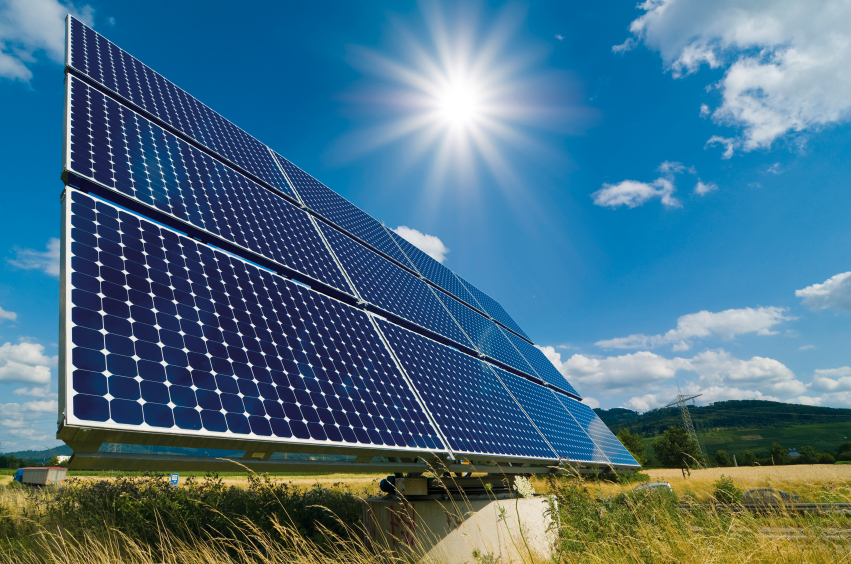
Nigeria is endowed with abundant sunlight, making it an ideal candidate for a rapid solarization initiative. Through a combination of utility-scale solar power plants and commercial-scale solar systems for businesses and communities, Nigeria can leapfrog traditional power infrastructure and move directly to a renewable energy-based economy.
Utility-scale solar projects could be deployed across various parts of the country, with large solar farms feeding into the national grid, reducing dependence on centralized fossil fuel-based generation. In parallel, commercial-scale solar solutions could be offered to businesses, communities, and even individual households. By installing rooftop solar panels and integrating energy storage solutions, Nigeria could ensure that power is available whenever and wherever it’s needed.
Key Enablers of Solarization
To make this vision a reality, several key enablers are required:
- Policy Support: A coherent policy that encourages the development of solar energy infrastructure and offers tax incentives or rebates for solar adoption will be critical.
- Investment in Infrastructure: Significant investment in solar power plants, energy storage, and modernized transmission systems is necessary to ensure the effective distribution of power across the country.
- Access to Financing: Access to affordable financing options, such as green bonds, grants, and loans, is essential for both businesses and consumers to make the switch to solar energy.
- Education and Awareness: Educating Nigerians about the benefits of solar energy and the potential savings on electricity bills will be a key factor in encouraging adoption.
- Collaboration: Collaboration between the government, private sector, and international development organizations will be crucial to achieving rapid solarization.
Impact of Steady Power Supply on Key Sectors
Reliable power will have a transformative effect on several sectors in Nigeria. Here are the five major sectors that would benefit from a steady power supply:
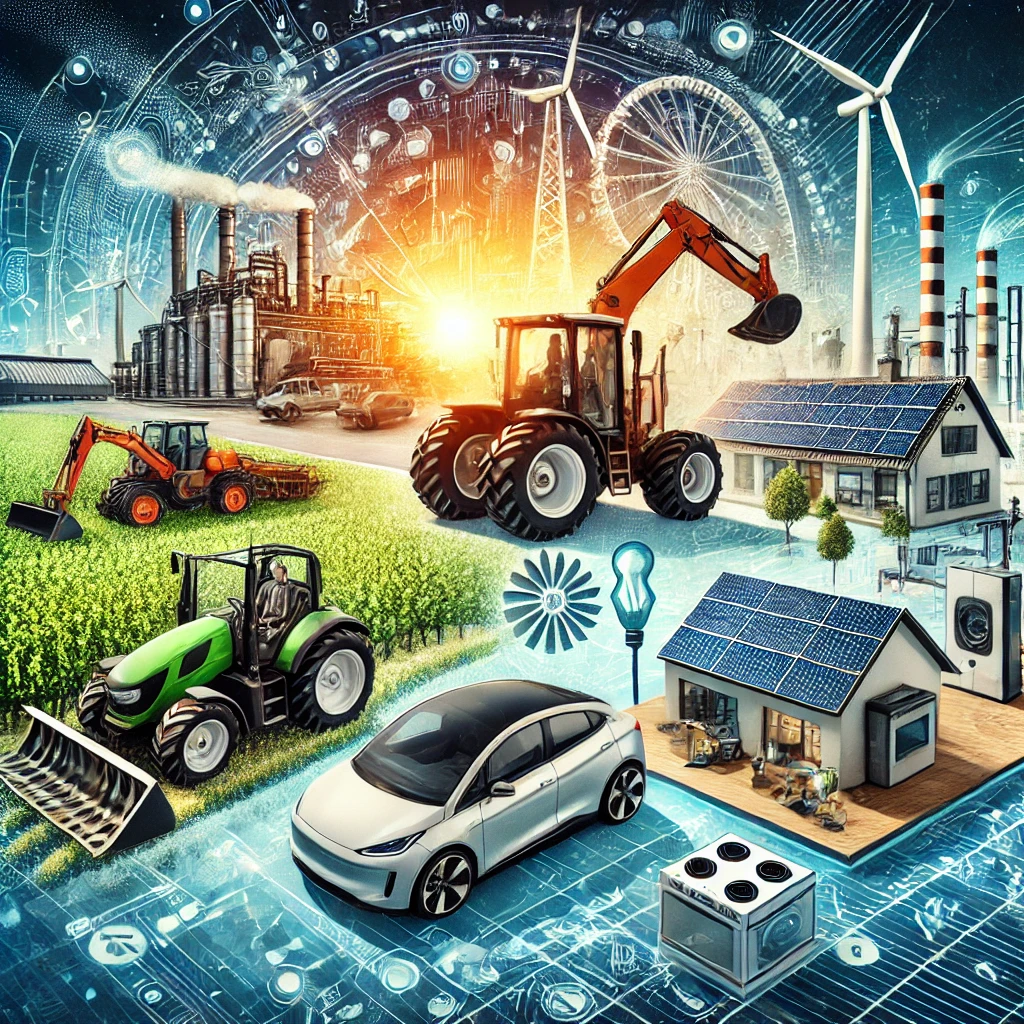
- Manufacturing: Uninterrupted power supply will boost productivity, reduce costs, and encourage the growth of the manufacturing sector, which is crucial for economic diversification.
- Technology and Innovation: With steady electricity, tech startups and digital entrepreneurs will have the opportunity to grow and innovate, contributing to the expansion of the digital economy.
- Agriculture: Power for irrigation systems, processing equipment, and storage facilities will enable farmers to increase production and reduce post-harvest losses, contributing to food security.
- Healthcare: Consistent electricity will ensure that medical facilities can operate life-saving equipment, offer 24/7 services, and store vaccines and medications properly.
- Education: With stable power, educational institutions can offer uninterrupted classes, use digital learning tools, and provide a better environment for students.
New Business Opportunities and the Rise of Energy-Based Ventures
As Nigeria moves toward abundant energy, new businesses will emerge, particularly in energy-related industries. These new businesses can be categorized into the following five categories:
- Solar Installation and Maintenance: Companies providing solar panel installation, maintenance, and energy auditing services will thrive.
- Energy Storage Solutions: Businesses focused on battery storage solutions and off-grid technologies will emerge to meet the growing demand for energy storage.
- Smart Grid Technology: Innovations in smart grid technology will enable more efficient energy distribution and management.
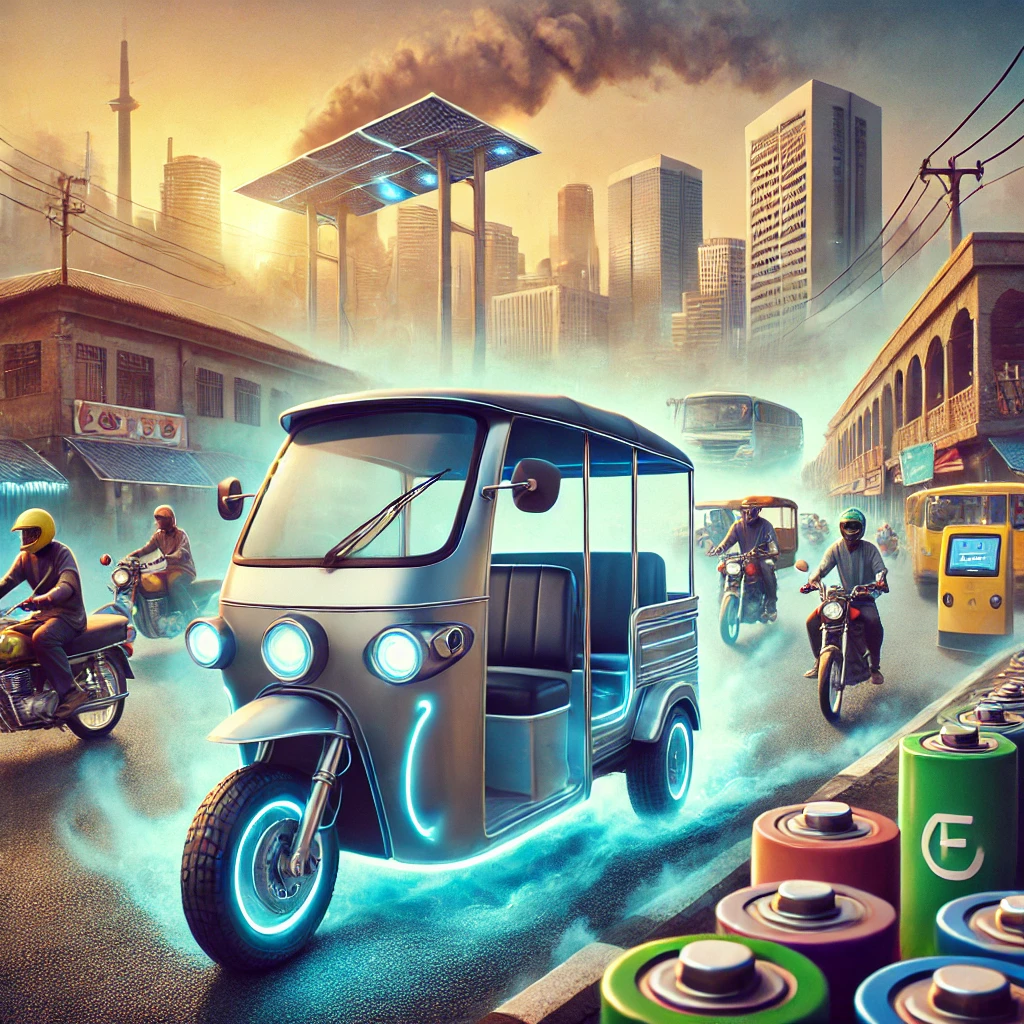
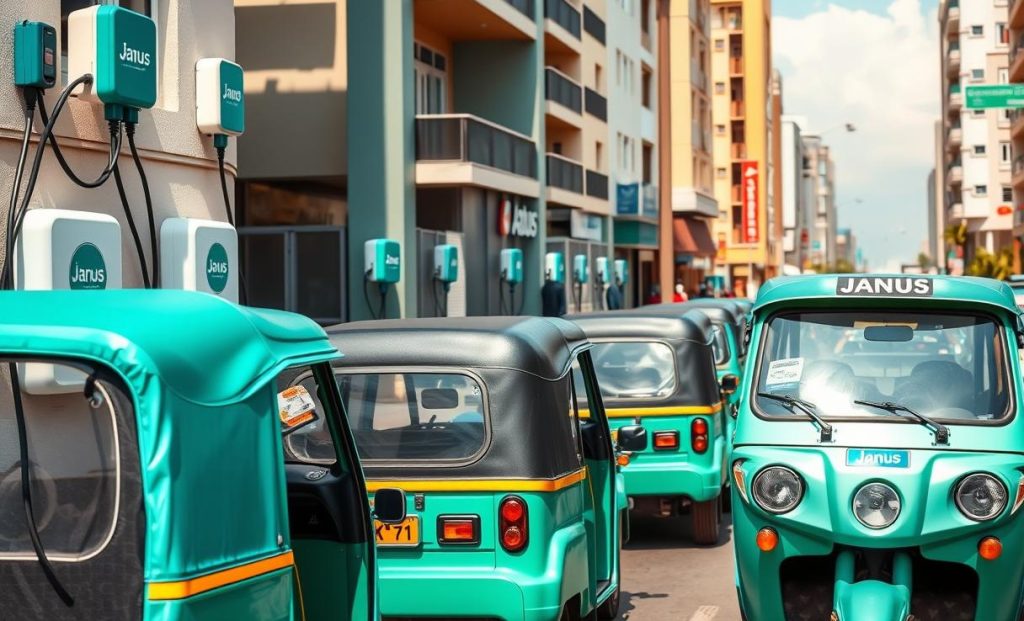
- Electric Mobility: The expansion of electric vehicle infrastructure will open opportunities in charging stations, electric vehicle sales, and fleet management.
- Energy Efficiency: Companies that provide energy-efficient appliances, systems, and consulting services will see growth.
Closing the Energy Gap and Improving Living Standards
With the successful implementation of solar energy solutions and an overall increase in power generation, Nigeria will be able to close its energy gap. This will have far-reaching implications for the standard of living, including increased access to education, healthcare, and economic opportunities. The transition from energy poverty to energy abundance will empower individuals and businesses, creating an environment where innovation and entrepreneurship can thrive.
Much like how technological advancements such as ChatGPT have empowered businesses and individuals to do more, abundant electricity will unlock new possibilities for Nigerians, helping the nation move from energy poverty to prosperity.
In conclusion, the solarization of Nigeria represents not just a shift in how energy is generated but a transformation of lives and livelihoods. By leveraging abundant solar resources, Nigeria can disrupt outdated energy models, foster innovative businesses, and reduce the crippling burden of energy poverty. With the right policies and investments, solar energy can illuminate a future where access to reliable and affordable power is no longer a luxury but a norm.