Electrons Are Eating Hydrocarbons
In 2011, Marc Andreessen declared that “software is eating the world.” Today, a new transformation is underway: electrons are eating hydrocarbons.
The world is undergoing a silent but seismic shift. Just as software ate the world, electricity is now eating petrol and diesel.
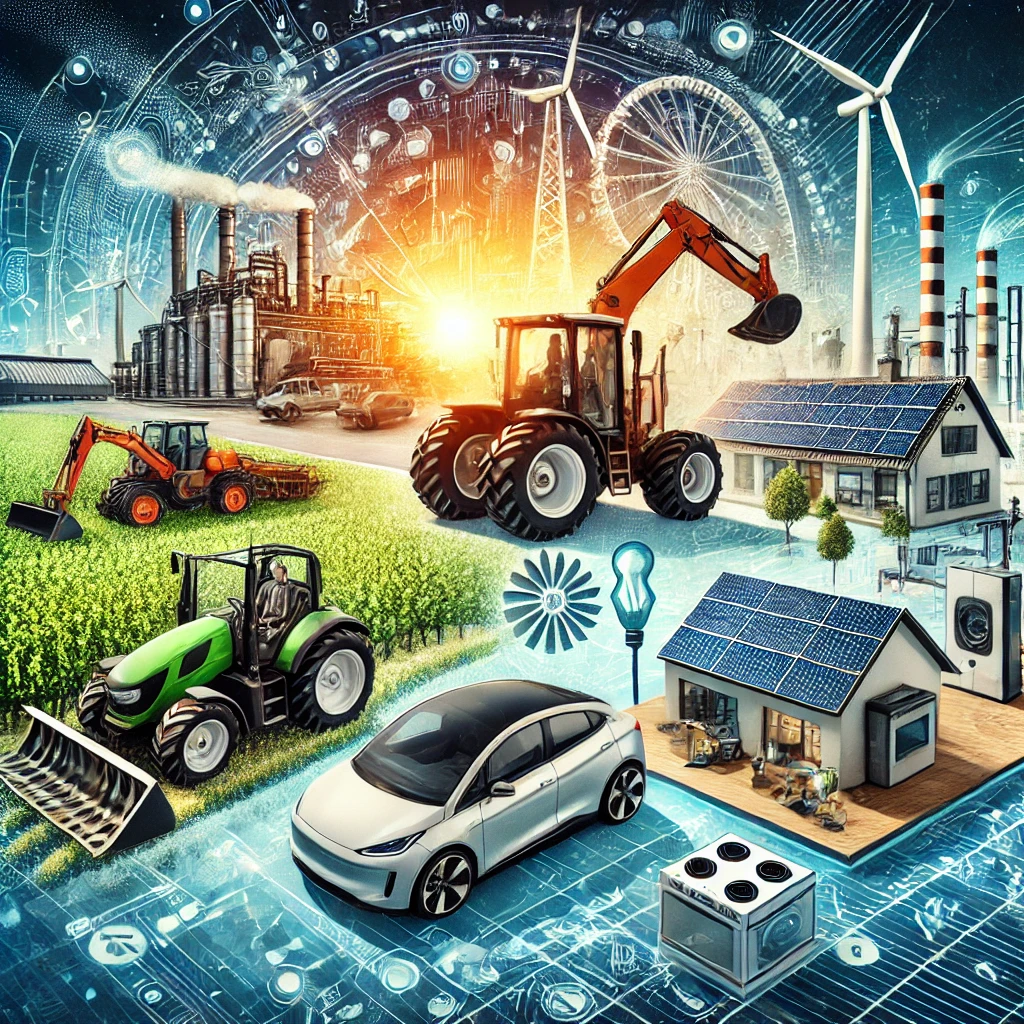
From transportation to agriculture, manufacturing to cooking, the world is shifting from fossil fuels to electricity. This isn’t just a trend—it’s a fundamental reimagining of how we power our lives, our economies, and our planet. And it’s happening faster than most people realize.
The Evidence: Electrification is Everywhere
The shift from hydrocarbons to electrons is already transforming industries across the globe. Here are just a few examples:
1. Transportation: The EV Revolution
- Electric vehicles (EVs) are no longer a niche product. In 2023, global EV sales surpassed 14 million units, accounting for 18% of all new car sales. By 2030, analysts predict that EVs will make up over 60% of new car sales worldwide.
- Companies like Tesla, BYD, and Rivian are leading the charge, but traditional automakers like Ford, GM, and Volkswagen are also investing billions in electrification.
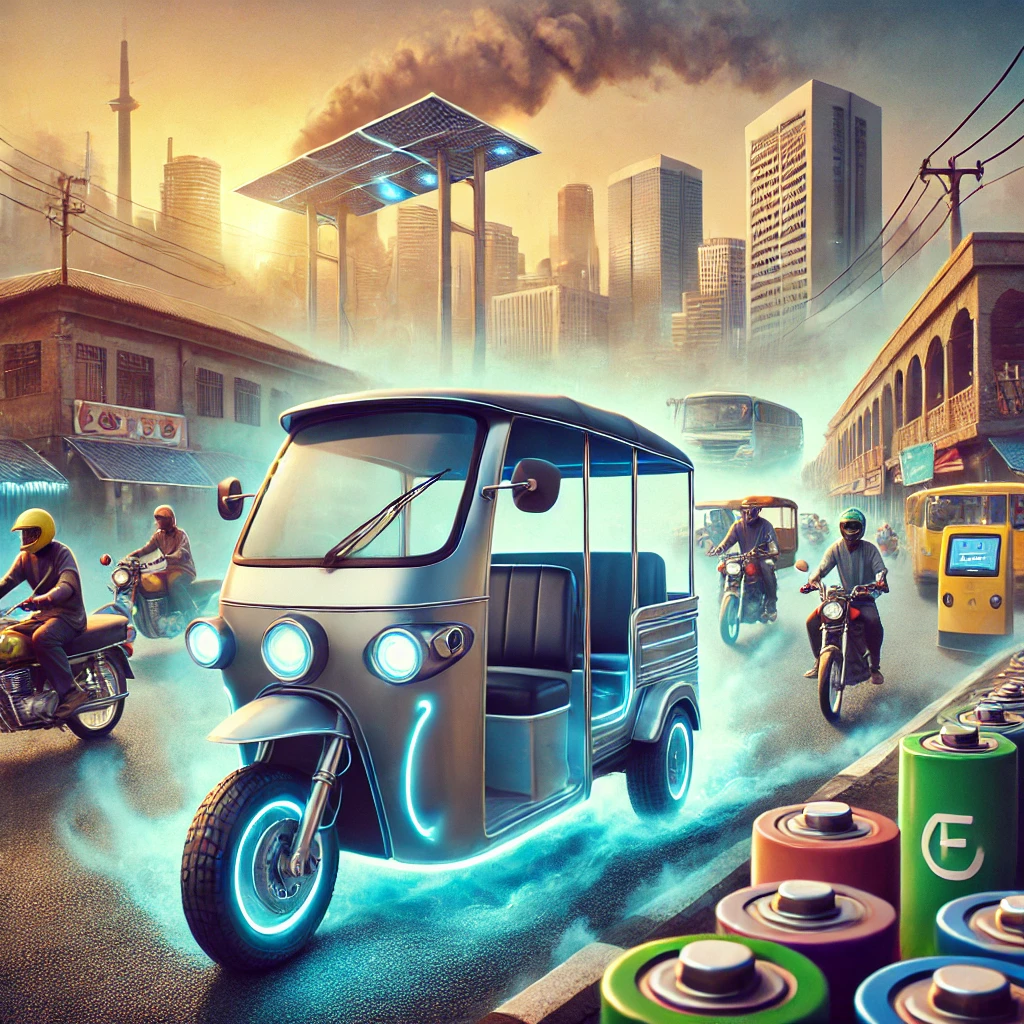
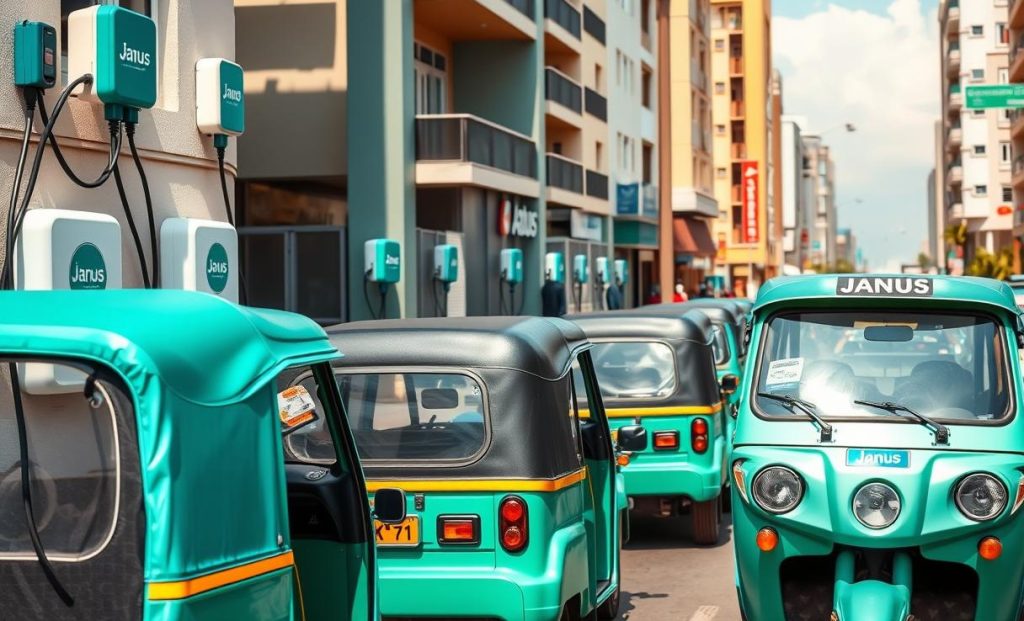
- In Africa, electric tricycles (e-Keke) are revolutionizing urban transportation, offering a cleaner and more affordable alternative to petrol-powered vehicles.
2. Agriculture: Farming Goes Electric
- Electric tractors and farm equipment are reducing emissions and operating costs. For example, Monarch Tractor’s electric tractor cuts fuel costs by up to 90% and reduces maintenance costs by 50%.
- Solar-powered irrigation systems are helping farmers in developing countries increase crop yields while reducing reliance on diesel generators.
3. Manufacturing: Factories of the Future
- Industrial processes that once relied on coal, oil, and gas are being electrified. For example, electric arc furnaces are replacing traditional blast furnaces in steel production, reducing emissions by up to 75%.
- Companies like Siemens and ABB are developing smart, electrified manufacturing systems that are more efficient and sustainable.
4. Cooking and Heating: Clean Energy at Home
- Electric induction stoves are replacing gas stoves in kitchens around the world, offering faster, cleaner, and more energy-efficient cooking.
- Heat pumps, which use electricity to heat and cool homes, are becoming the preferred choice for homeowners. In Europe, heat pump sales grew by 34% in 2022, and the International Energy Agency (IEA) predicts that heat pumps could reduce global CO2 emissions by 500 million tons by 2030.
5. Energy: The Rise of Renewables
- Solar and wind energy are now the cheapest sources of electricity in most parts of the world. In 2023, renewable energy accounted for 30% of global electricity generation, and this figure is expected to rise to 50% by 2030.
- Battery storage systems are solving the intermittency problem of renewables, enabling 24/7 clean energy. Global battery storage capacity is projected to grow 15-fold by 2030.
The Why: Why Now?
The shift from hydrocarbons to electrons is happening now for three key reasons:
- Cost: The cost of renewable energy and electric technologies has plummeted. Solar energy costs have fallen by 90% over the past decade, while battery costs have dropped by 80%.
- Climate Urgency: Governments, businesses, and consumers are increasingly prioritizing sustainability. The Paris Agreement and net-zero commitments are driving investment in clean energy and electrification.
- Innovation: Advances in technology—from more efficient batteries to smart grids—are making electrification feasible at scale.
The Impact: Economic and Social Implications
The electrification revolution is creating massive opportunities—and challenges:
- Job Creation: The clean energy sector employed over 12 million people globally in 2023, and this number is expected to grow as electrification accelerates.
- Energy Independence: Countries that rely on imported oil and gas can reduce their dependence by investing in domestic renewable energy and electrification.
- Health Benefits: Replacing fossil fuels with electricity will reduce air pollution, which causes over 7 million premature deaths annually.
However, the transition also poses challenges, such as the need for new infrastructure, workforce retraining, and policy support.
The Future: What’s Next?
The electrification revolution is just getting started. Here are some areas to watch:
- Vehicle-to-Grid (V2G): EVs will not only consume electricity but also feed it back into the grid, creating a decentralized energy system.
- Green Hydrogen: Electrolyzers powered by renewable energy will produce green hydrogen, a clean fuel for industries like shipping and aviation.
- Smart Cities: Electrification will enable smarter, more sustainable cities with integrated energy, transportation, and building systems.
Embrace the Future
The era of hydrocarbons is coming to an end. The age of electrons has begun.
For businesses, this means investing in electrification and clean energy. For policymakers, it means creating enabling environments for innovation. And for individuals, it means embracing new technologies and adapting to a changing world.
Electrons are eating hydrocarbons. The question is: Are you ready for the future?
T