The Benefits of Electric Cars
Electric Vehicles: Driving Nigeria Towards A Cleaner, Greener future.
Electric vehicles (EVs) are transforming the automotive landscape globally, and Nigeria is no exception. As we navigate the challenges of urbanisation, pollution, and reliance on fossil fuels, we must consider how EVs can play a pivotal role in shaping a sustainable future for our nation.

1. AFFORDABLE TO RUN
Although a new electric vehicle can cost more than its gasoline counterpart upfront, EVs are almost always guaranteed to save you money in the long run. I did an extensive cost-benefit analysis here, using CHATGPT. Where we considered the monthly petrol cost, petrol vehicle and EV value after 5 years.
Another significant advantage of electric vehicles is their lower operating costs. While the initial purchase price may be higher than that of conventional cars, the long-term savings on fuel and maintenance can be substantial. Electricity is often cheaper than petrol or diesel, and EVs have fewer moving parts, leading to reduced maintenance expenses. For many Nigerians, this economic incentive can make a compelling case for switching to electricity.
2.
SKIP THE GAS STATION
Charging your car at home is simple, with options to charge during off-peak hours to minimize costs. While public charging networks are developing, home charging is becoming increasingly feasible as Nigeria’s power grid improves.
EV Savings Calculator
You'd save ₦0 per 0 liters bought
NUMBER 3
LOWER MAINTENANCE COST
Since they don’t have gasoline engines, EVs eliminate over two dozen mechanical parts that typically need regular servicing. By driving electric, you can say goodbye to oil changes, coolant flushes, transmission repairs, air filter replacements, spark plugs, drive belts, and more! Additionally, with regenerative braking, brake pad replacements become less frequent thanks to reduced wear from friction. This not only results in significant savings but also gives you back valuable time that would otherwise be spent on maintenance.
4. A SMOOTHER, QUIETER RIDE:
Electric vehicles (EVs) offer a remarkably smooth and quiet ride, making them a game changer for Nigerian drivers. Unlike petrol or diesel vehicles, EVs lack a traditional engine, eliminating the noise and vibration associated with internal combustion engines. This makes driving through Nigeria’s bustling cities, like Lagos, much more peaceful. Whether navigating busy roads or cruising down highways, the silence of an electric car allows for a more serene experience, free from engine noise and jerky acceleration, ideal for Nigeria’s urban environments
5. SUSTAINABLE ECOSYSTEM:
Furthermore, the integration of renewable energy sources in Nigeria, such as solar power, presents an exciting opportunity for EV charging. By harnessing our abundant sunlight, we can create a sustainable ecosystem for electric vehicles, reducing our dependence on the national grid and fossil fuels. This approach not only promotes energy independence but also enhances the resilience of our energy supply.
6. STAND OUT FROM THE CROWD
In a country where petrol and diesel cars dominate the roads, owning an electric vehicle (EV) in Nigeria sets you apart as a forward-thinking individual. Driving an EV showcases your commitment to sustainability, innovation, and smart financial choices. With its quiet performance, zero emissions, and futuristic design, an electric car not only gives you an edge but signals that you are part of the global shift towards cleaner, greener technology. EV drivers in Nigeria stand out as pioneers of a modern, eco-friendly future.
You’re Helping The Environment
The growing concern over environmental degradation and climate change has made it imperative for us to explore cleaner alternatives to traditional vehicles. Electric vehicles offer a promising solution, producing zero tailpipe emissions and significantly reducing our carbon footprint. This shift not only contributes to a healthier environment but also aligns with Nigeria’s commitments to international climate agreements.
Charging Station
Electric car charging infrastructure in Nigeria is still in its early stages, but progress is being made. Private companies are beginning to invest in charging stations across major cities like Lagos and Abuja. Some EV owners rely on home charging solutions, especially with solar power systems or during off-peak hours when electricity is more stable. Public charging stations will grow as electric vehicle adoption increases, but for now, planning ahead for home or workplace charging is essential for Nigerian EV owners.
Job Opportunity
This is a bonus reason for the adoption of EVs since it’s not a direct benefit to the buyer. As Nigeria seek to diversify our economy beyond oil, investing in electric mobility presents an opportunity for job creation and technological advancement. The burgeoning EV market could stimulate local manufacturing, providing employment opportunities in assembly plants and supply chains. With the right policies and incentives, Nigeria can establish itself as a leader in the African EV sector.
CHALLENGES OF Evs
There are plenty of misconceptions about electric vehicles, and one of the biggest myths slowing their adoption is the idea that they can’t travel long distances called RANGE ANXIETY. In reality, that’s far from the truth. Depending on the model, many EVs can easily cover over 200 or even 300 miles on a single charge.
Charging Infrastructure (Availability and Charging Speed): Public charging stations are still relatively sparse in many regions, especially in rural areas, making long-distance travel more difficult. Furthermore, while charging is improving, it’s still slower than refuelling a gasoline vehicle, especially with AC charging stations.
CHALLENGES OF Evs
There are plenty of misconceptions about electric vehicles, and one of the biggest myths slowing their adoption is the idea that they can’t travel long distances called RANGE ANXIETY. In reality, that’s far from the truth. Depending on the model, many EVs can easily cover over 200 or even 300 miles on a single charge.
Charging Infrastructure (Availability and Charging Speed): Public charging stations are still relatively sparse in many regions, especially in rural areas, making long-distance travel more difficult. Furthermore, while charging is improving, it’s still slower than refuelling a gasoline vehicle, especially with AC charging stations.
CHALLENGES OF Evs Cont'd
The good news is that technology is rapidly improving and most technical challenges like charging and battery replacement are seeing tremendous progress with some cars offering a single charge of about 500km. Below is a Portable EV Fast DC Charger, that can be placed in the trunk to serve as backup, it’s like having extra liters of better in the car while traveling to cities without fuel.
Higher Initial Cost: EVs generally have a higher purchase price compared to internal combustion engine (ICE) vehicles, even though they offer savings in the long term through lower fuel and maintenance costs.
Financial institutions like Sterling Bank are taking the bull by the horns and championing the EV financing space in Nigeria with it Qoray Mobility solutions including a fleet of EV car models. They also have a 5-year financing model that requires just 10% advance payment to drive the car home. Check them out here. Pro tips: I drive Qoray Sable.
Battery Longevity and Replacement: Like petrol engines, an EV’s battery too can degrade, reducing its range and performance. Although battery replacement can be costly, the worries are minimal since it can take up to 10 -15 years.
CHALLENGES OF Evs Cont'd
The good news is that technology is rapidly improving and most technical challenges like charging and battery replacement are seeing tremendous progress with some cars offering a single charge of about 500km. Below is a Portable EV Fast DC Charger, that can be placed in the trunk to serve as backup, it’s like having extra liters of better in the car while traveling to cities without fuel.
Higher Initial Cost: EVs generally have a higher purchase price compared to internal combustion engine (ICE) vehicles, even though they offer savings in the long term through lower fuel and maintenance costs.
Financial institutions like Sterling Bank are taking the bull by the horns and championing the EV financing space in Nigeria with it Qoray Mobility solutions including a fleet of EV car models. They also have a 5-year financing model that requires just 10% advance payment to drive the car home. Check them out here.
Battery Longevity and Replacement: Like petrol engines, an EV’s battery too can degrade, reducing its range and performance. Although battery replacement can be costly, the worries are minimal since it can take up to 10 -15 years.
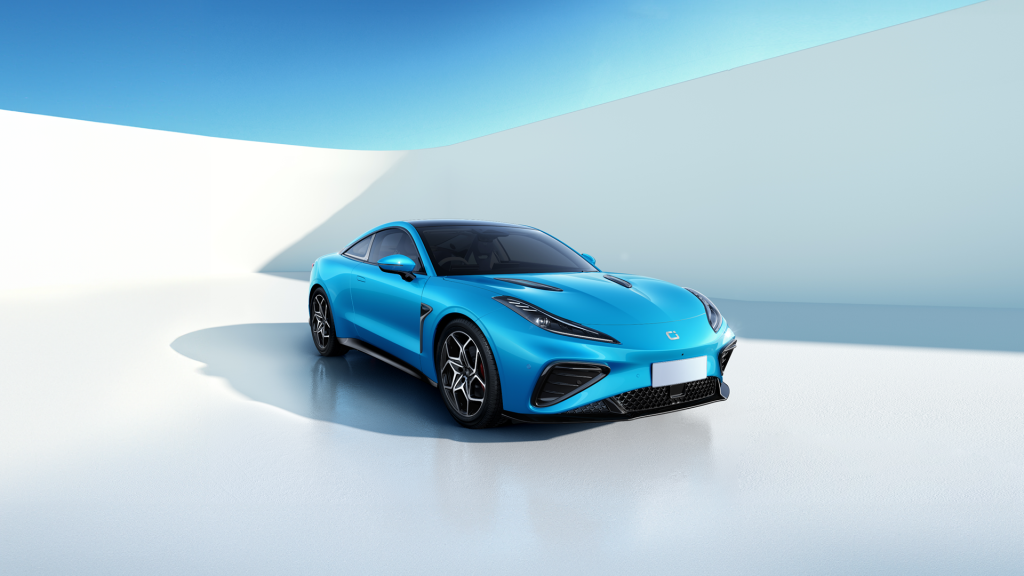
Top Electric Car Brands In Nigeria




IN CONCLUSION.
Electric vehicles (EVs) are transforming the automotive landscape globally, and Nigeria is no exception. As we navigate the challenges of urbanisation, pollution, and reliance on fossil fuels, we must consider how EVs can play a pivotal role in shaping a sustainable future for our nation. In Nigeria, the adoption of electric vehicles can alleviate some of the pressing issues we face, such as air pollution in bustling cities like Lagos, Kano, PHC, Kaduna and Abuja.
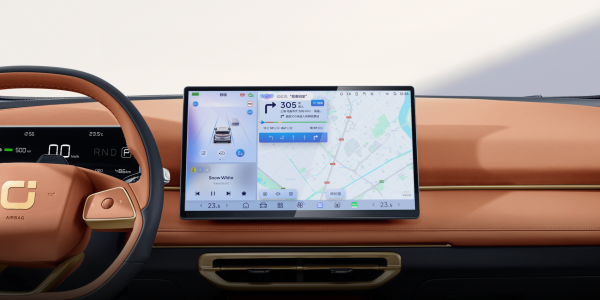
The air quality in these urban centers has deteriorated over the years, primarily due to the high number of petrol and diesel vehicles on the roads. By embracing EVs, we can significantly reduce harmful emissions and improve public health. Beyond the environmental benefits, being one of the few EV owners in Nigeria puts you ahead of the curve, especially as the country moves toward modernizing its infrastructure and energy systems. Owning an EV today positions you as a leader in embracing change, saving on long-term costs, and making a bold statement about progress and responsibility.
As we look to the future, it’s crucial for Nigerian policymakers, businesses, and consumers to embrace the electric vehicle revolution. By fostering an environment that supports EV adoption, through incentives, infrastructure development, and public awareness campaigns. we can pave the way for a greener, more sustainable Nigeria.
Let us seize this moment to transform our transportation system and contribute to a cleaner, healthier environment for generations to come. The journey towards electric mobility is not just a technological shift; it’s a pathway to a brighter future for all Nigerians.