Range anxiety—the fear of running out of battery power without access to charging stations—is one of the biggest challenges to EV adoption, especially in regions like Nigeria, where charging infrastructure is limited.
Addressing this issue is critical for accelerating the transition to electric mobility and ensuring consumer confidence in EVs.
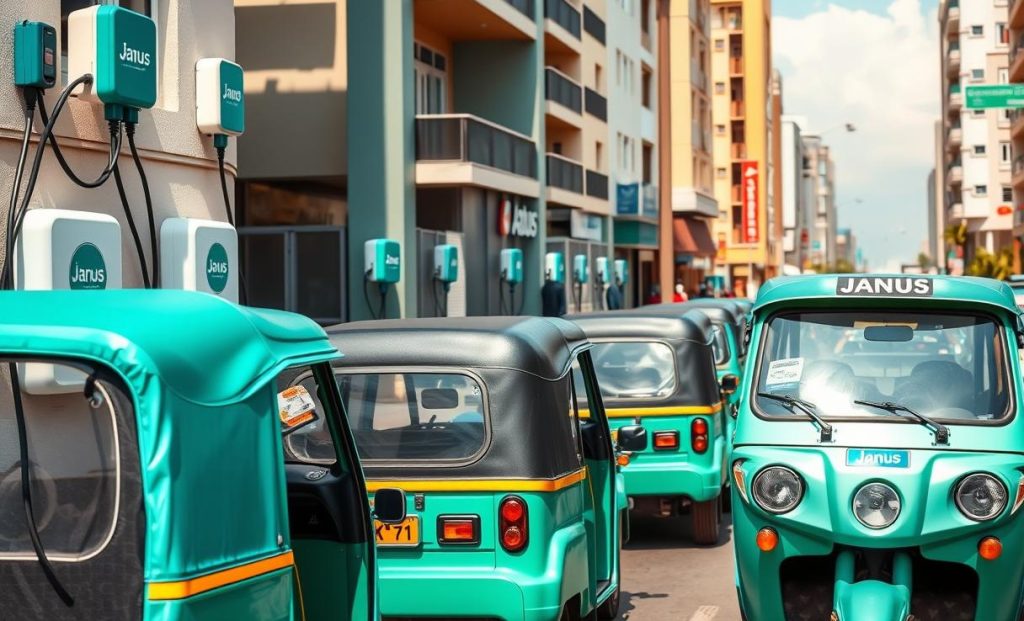
To tackle this challenge, Janus is exploring innovative solutions like a B2B decentralized charging network, where businesses and homes with constant or surplus power can host self-service charging devices.
By strategically deploying charging points at locations such as hotels, petrol stations, hospitals, and residential properties, we can make charging more accessible and reduce the fear of being stranded.
This decentralized approach not only enhances convenience but also fosters collaboration between Janus and local communities, creating a win-win model that benefits businesses, EV users, and the environment. It’s a sustainable step towards overcoming range anxiety and building a robust EV ecosystem.

Here’s a breakdown of the concept and its potential benefits:
Concept:
- B2B Partnership Model: Instead of building and maintaining centralized charging stations, Janus partners with businesses (hotels, petrol stations, hospitals, etc.) and residential owners with excess or constant power supply.
- Self-Service Charging Devices: Janus sells affordable, smart self-service charging devices to these partners, which users can access via preloaded smart cards.
- Time-Based Charging: Each session provides a 5-hour power slot. If users leave early, the remaining time is available for other users, maximizing device utility.
Potential Benefits:
- Decentralized Charging Network: Rapidly expands charging infrastructure without heavy capital investment in building dedicated stations.
- Accessibility: Provides EV users with more charging options in convenient locations.
- B2B Revenue Stream: Generates additional income for businesses that host charging devices while driving revenue for Janus through device sales and transaction fees.
- User Flexibility: Smart cards make payments seamless and accessible, enabling a wide range of users to recharge without hassle.
- Energy Optimization: Encourages the use of underutilized or surplus energy from B2B partners, aligning with Janus’ sustainability goals.
This model is scalable, cost-effective, and offers a win-win for both Janus and its partners, significantly enhancing EV adoption in Nigeria. It positions Janus not only as a mobility provider but also as a catalyst for sustainable energy solutions.