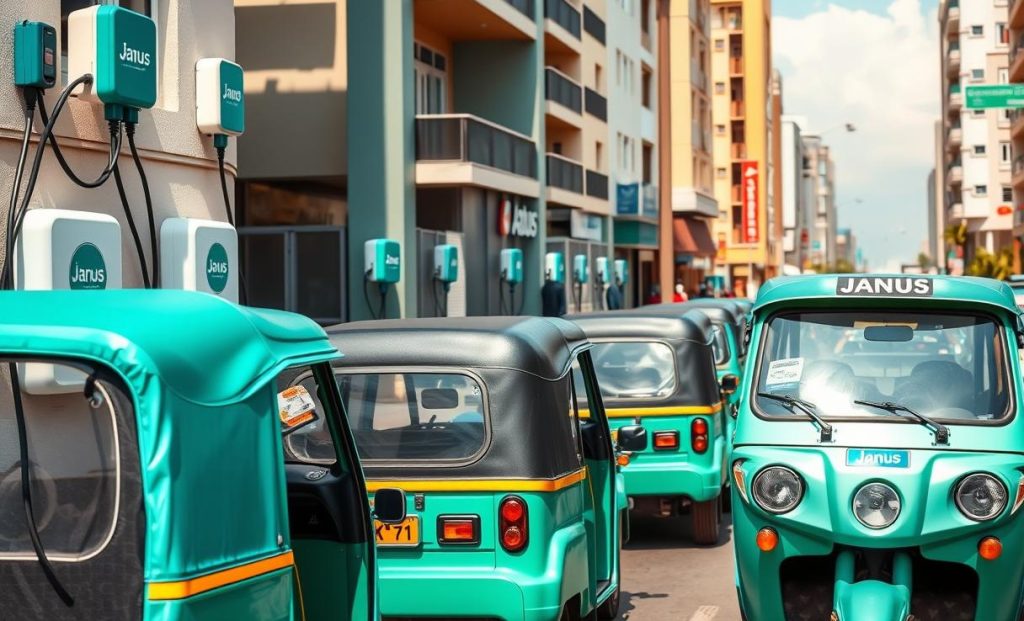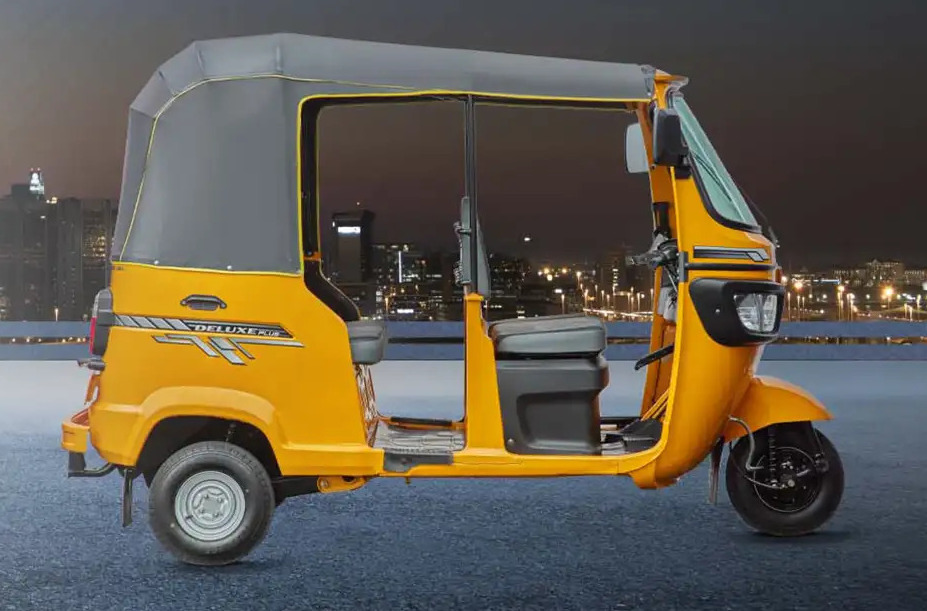
Electric tricycles, especially those equipped with an 1800W motor, present a sustainable and cost-effective option for short-distance transport. Outfitted with dual 60V, 50Ah batteries, this setup significantly extends the range and increases the time between charges. While capable of reaching speeds up to 40 km/h, this article explores how driving at a moderate 30 km/h can conserve energy and maximize distance per charge.
Understanding the Power and Battery Setup
Each 60V, 50Ah battery offers 3000 watt-hours (Wh) of energy. With two batteries, the combined capacity doubles to 6000 Wh. The 1800W motor dictates the maximum energy draw at full capacity. By operating at a more economical speed, such as 30 km/h instead of the maximum speed, the motor consumes less energy, extending the travel distance per charge.
Calculating Operating Time with Dual Batteries
With a total battery capacity of 6000 Wh, we can estimate the tricycle’s operating time by dividing this capacity by the motor’s power rating:
6000 Wh / 1800 W=3.33 hours
This calculation indicates that the tricycle could theoretically run for about 3 hours and 20 minutes if the motor consistently draws 1800W. However, at a more moderate 30 km/h speed, the motor works more efficiently, potentially increasing this time to around 3.5 to 4 hours.
Estimating Distance at an Average Speed of 30 km/h
o calculate the range, we multiply the operating time by the average speed:
Distance=Speed×Time = 30 km/h×3.5 hours ≈ 105 km
This means the tricycle, with dual 60V, 50Ah batteries, can cover up to 105 km on a single charge when driven at an average of 30 km/h.
Practical Considerations: Terrain and Load
While the 105 km range is achievable under ideal conditions, actual range may vary depending on factors like terrain and load. For example:
- Terrain: Hilly or uneven surfaces require more power, reducing overall range. On flat, smooth roads, the tricycle operates more efficiently, extending travel distance.
- Load: A heavier load increases the motor’s energy draw, which could shorten the range. Lighter loads reduce strain on the motor, conserving battery power.
Conclusion
By driving at a moderate speed and considering factors like terrain and load, electric tricycle users can significantly extend their travel range, reducing the frequency of recharging. This setup enables impressive efficiency, with the potential to cover over 100 km on a single charge. Smart battery use and moderate speeds highlight how thoughtful operation can impact performance and make electric tricycles a practical and sustainable solution for everyday travel.