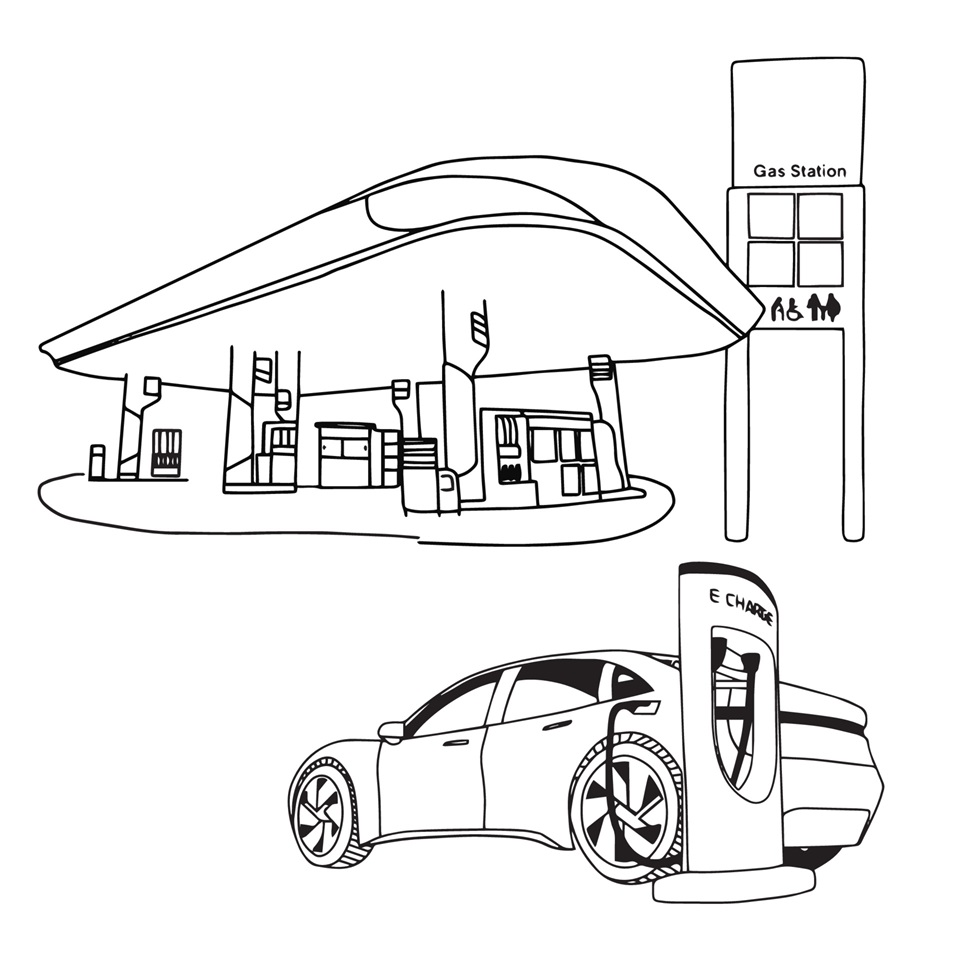
When it comes to charging electric vehicles (EVs) at home, two key components play a crucial role:
- On-board Charger (OBC): Built into the vehicle, the OBC converts alternating current (AC) from the external source into direct current (DC), which is stored in the vehicle’s battery. The OBC’s capacity determines how much power the car can draw from the charging station.
- Charging Stations (EVSE): Often referred to as Electric Vehicle Supply Equipment, these are external devices that supply electricity to the EV. They provide a safe and efficient way to transfer power to the vehicle, whether it’s through a standard wall socket or a dedicated charging station.
Why Consider a Smart Charging Station?
While a basic portable charger plugged into a standard outlet can charge your EV, a smart charging station offers significant advantages for safety, efficiency, and convenience. These stations are especially beneficial in Nigeria as EV adoption grows, for both personal and business use.
- Enhanced Security: Smart stations often feature RFID systems, allowing only authorized users (like employees, clients, or visitors) to access the station. This ensures controlled and secure usage.
- Load Balancing: If multiple charging stations are installed, load balancing ensures even distribution of electricity among connected vehicles. This prevents overloading your electrical supply while ensuring efficient charging for all vehicles.
Choosing the Right Connector for Nigeria
Different EV models come with varying connector types. Understanding these is key to selecting the right charging station:
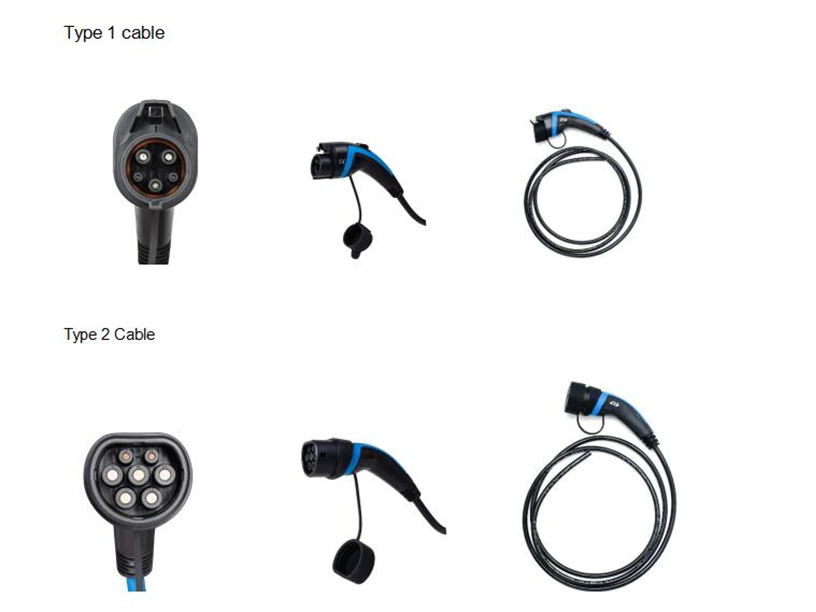
- Type 1 Connector: Common in the U.S. but declining in use worldwide. Newer vehicles, especially those manufactured in Europe, rarely use this connector.
- Type 2 Connector: Standard in Europe and increasingly global. This connector supports both single-phase and three-phase charging, making it versatile and efficient. Vehicles with a Type 2 connector are a future-proof choice for Nigeria’s growing EV market.
For maximum flexibility, opt for a socket-based charging station. This way, it can accommodate various connector types, allowing you to charge different EV models without hassle.
What to Consider When Choosing a Home Charging Station
Selecting the right charging station for your home involves more than just looking at the price tag. Keep these factors in mind:
- Power Output: Ensure the charging station’s power output matches or exceeds the capacity of your vehicle’s on-board charger. A higher output can future-proof your setup as your needs evolve.
- Smart Features: Decide if you need smart features, like integration with home energy systems or communication between multiple stations. For businesses, a payment system might also be useful for managing charging costs.
- Connector Type: Consider whether you want a universal charging station that supports various connector types or one with an integrated cable for convenience. Integrated cables simplify charging by eliminating the need to carry a separate cable.
Final Thoughts
As the adoption of EV increasing, it’s also interesting to know that a number of companies are now providing charge stations as a service acround the country, here is a detailed list of public charge stations.
By taking a thoughtful approach to choosing a charging station, you can ensure a setup that’s not only efficient and reliable for your current EV but also adaptable for future vehicles. Whether you’re an individual or a business in Nigeria, investing in the right equipment today will make a significant difference as the EV market continues to grow.