Energy is the lifeblood of modern society, fueling industries, propelling motors, and facilitating the transport of food, goods, and services. In an era of rapid global technological advancement, access to reliable energy is no longer a luxury but a necessity for development.
Yet, Nigeria faces an escalating energy crisis due to an infrastructure overly dependent on fossil fuels and an energy policy that has not sufficiently explored alternative sources such as hydro, solar, and wind power. With the country’s young and rapidly expanding population, addressing these infrastructure gaps is essential to building a sustainable and economically vibrant future.
Nigeria’s demographics provide a unique perspective on the gravity of this energy crisis. With a mean age of 18 years and a median age of 17, the population is exceedingly young. Currently, 43% of the nation’s population is under the age of 15, while an additional 54% is within the 15-64 age range.
Over 40 million Nigerians are between the ages of 15 and 25—more than the combined populations of Sweden, Portugal, Greece, and Austria and more than half the population of the United Kingdom. This generation will soon enter the workforce, and within the next decade, many will begin raising families.
Nigeria’s current population of over 200 million is projected to surge significantly as these young people come of age, exacerbating existing shortages in housing, health care, road networks, and energy supply. To meet this growing demand, the country’s power infrastructure will need an estimated twentyfold increase in capacity—a formidable challenge that requires urgent, strategic planning.

Today, Nigeria’s energy infrastructure is inadequate even for its current population. The nation’s reliance on fossil fuels has not only contributed to environmental concerns but has also left Nigeria vulnerable to global oil price volatility.
Furthermore, while fossil fuel-based energy sources can generate power, they are limited in scalability and sustainability, particularly as Nigeria’s population continues to climb. Although the country is rich in alternative energy resources, such as solar and hydro, these have been underutilized.
Developing a diversified energy portfolio that emphasizes renewables is crucial for meeting Nigeria’s long-term energy demands. Currently, Nigeria’s national grid delivers less than 5,000 MW to meet a population demand estimated at over 50,000 MW. This shortage results in frequent blackouts and limits productivity across industries, stifling growth in key sectors such as manufacturing and agriculture, where reliable energy is essential.
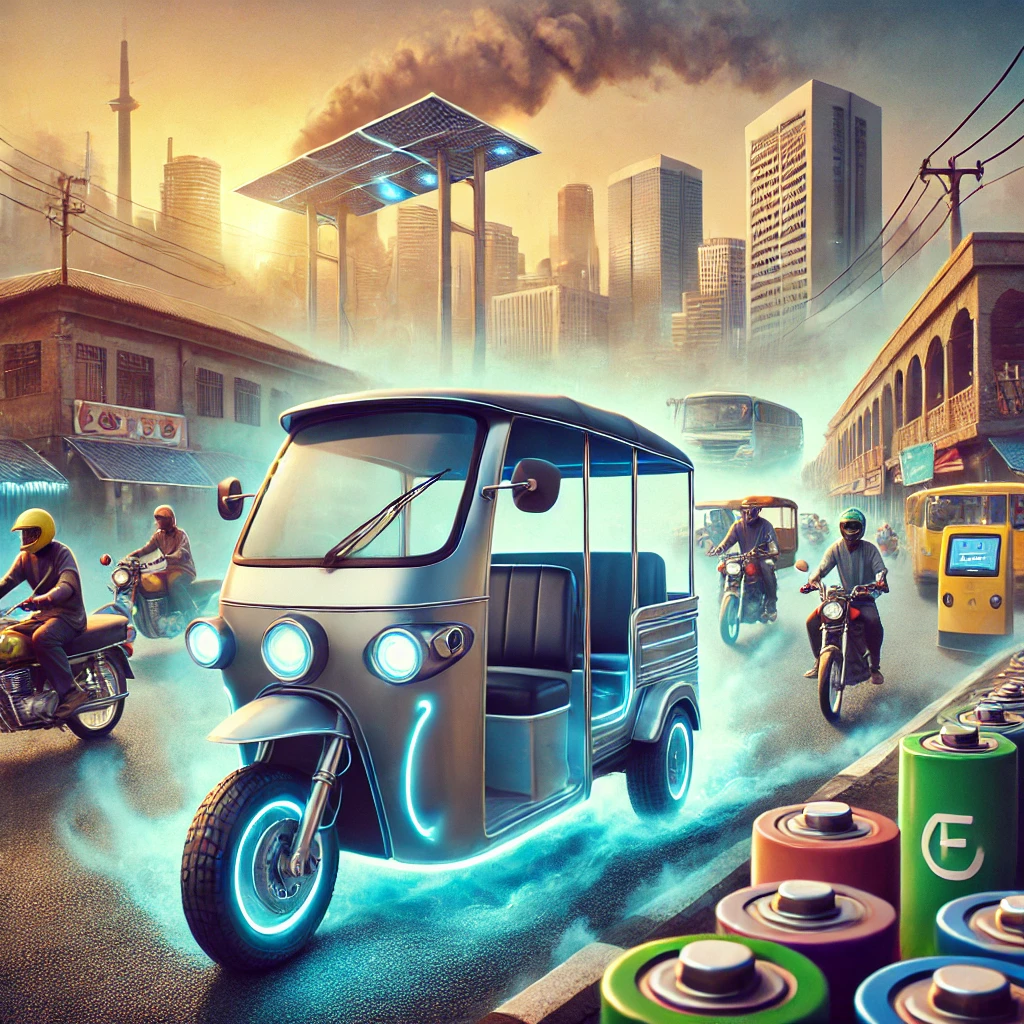
Beyond the immediate challenges of powering industry, the transportation sector presents an equally urgent need for electrification. Electric vehicles (EVs) offer a viable path to reduce dependence on imported fuel while curbing carbon emissions.
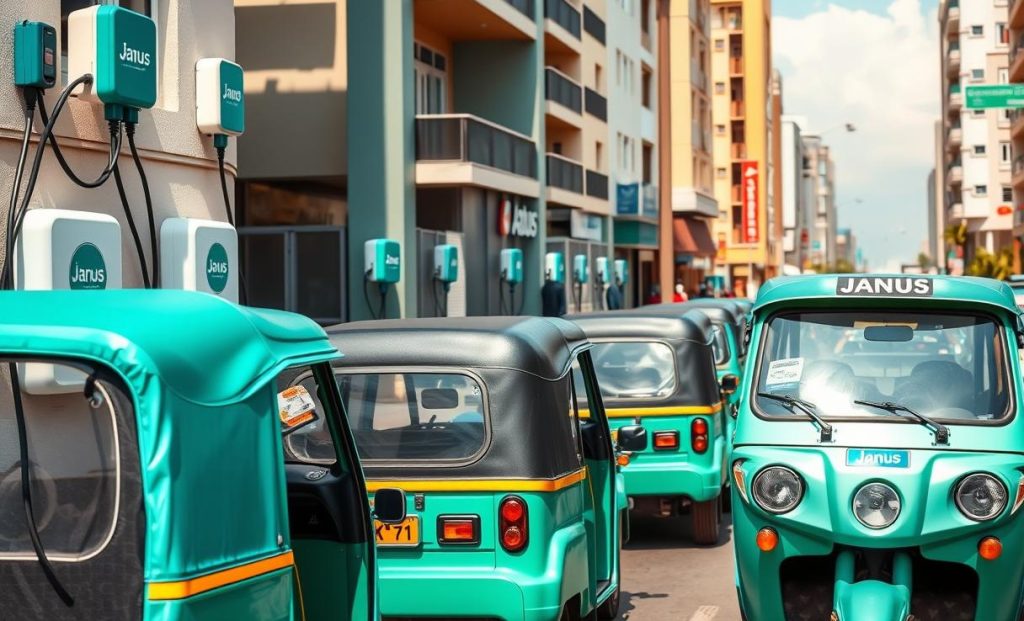
By investing in electric vehicle infrastructure and encouraging the adoption of EVs, Nigeria can transition toward a transportation system that aligns with its renewable energy goals. As fuel prices in Nigeria have surged from N200 to between N1,050 and N1,400 per liter, the cost savings from switching to electric-powered vehicles are significant.
An electric tricycle, for instance, could save approximately N15,800 for every 100 km compared to a traditional petrol model. For larger vehicles, these savings multiply, with a 4-cylinder motorist saving N72,960 over a 500 km distance, and a 6-cylinder user saving up to N95,670. These figures underscore the potential economic benefits of switching to electric-powered transportation, particularly for the millions of Nigerians who rely on vehicles for daily commutes and goods transport.
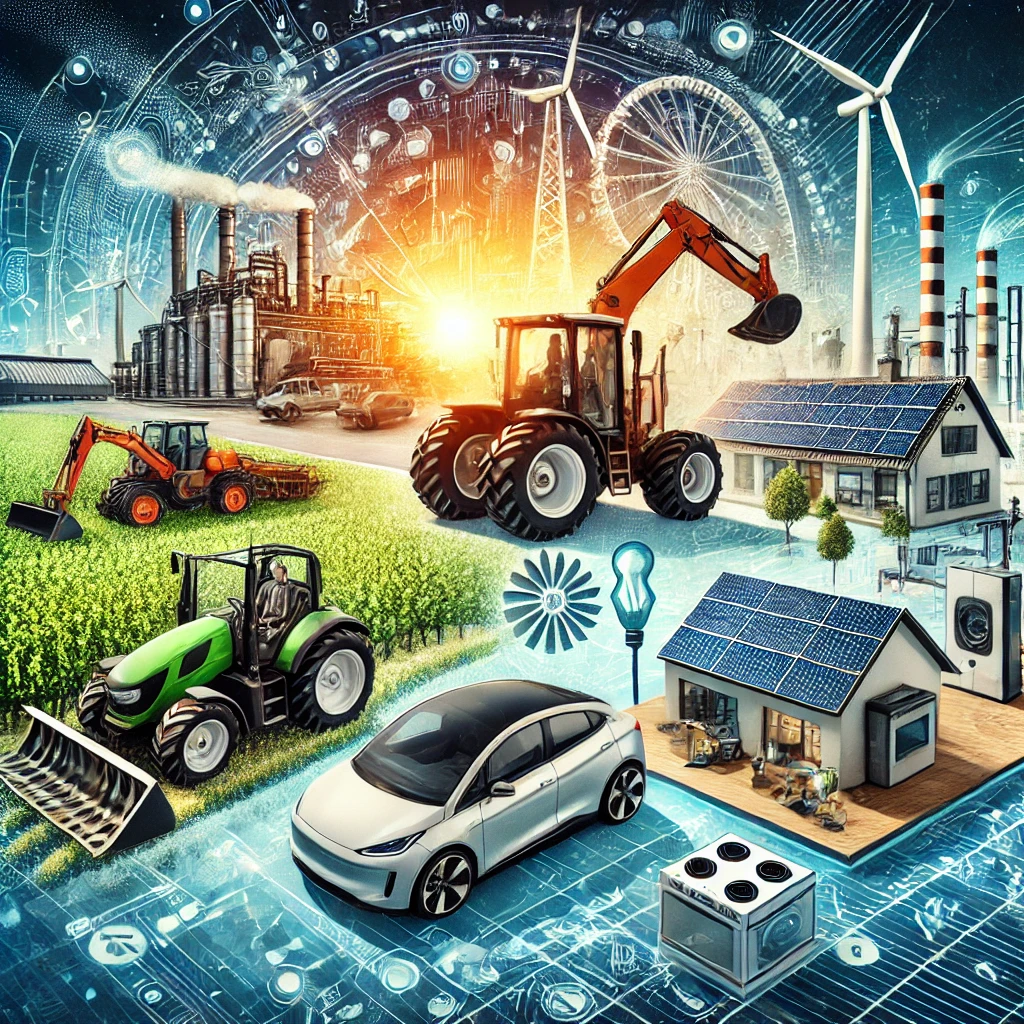
The agriculture sector could also benefit substantially from electrification. Currently, mechanized farming in Nigeria depends heavily on diesel-powered equipment, which is both expensive and environmentally damaging.
By transitioning to electric machinery powered by solar or hydroelectric grids, Nigeria can boost agricultural productivity and reduce the cost of food production, making basic staples more affordable. Electrifying the agricultural industry would also support rural economic development by providing a stable power source to remote areas, where grid electricity is scarce or unavailable.
Manufacturing, another sector heavily impacted by energy shortages, stands to gain the most from a shift to renewable electricity sources. In an environment where power outages disrupt production, reliable electricity would enable factories to operate consistently, increase output, and reduce costs. The adoption of electric-powered machinery would foster a cleaner, more efficient manufacturing process, positioning Nigeria as a competitive player in the global economy.
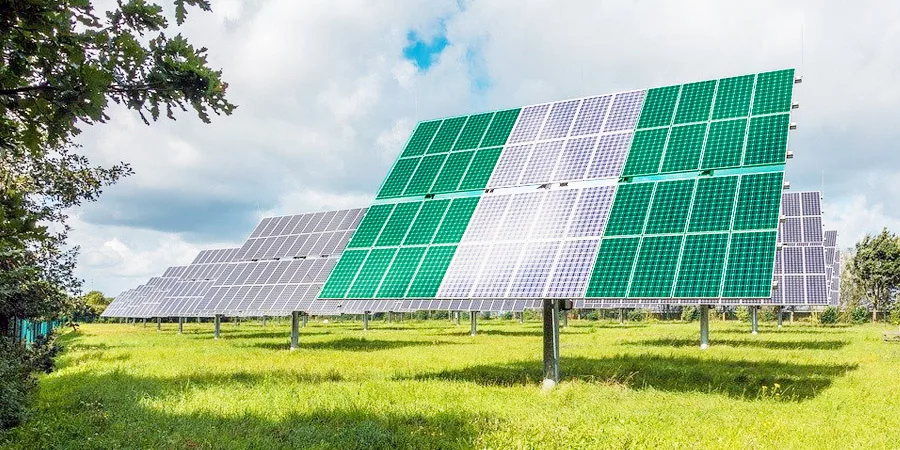
To address Nigeria’s energy needs sustainably, policymakers must prioritize a transition to electric power, coupled with significant investments in renewable energy infrastructure.
Dr. Shola Ogunniyi Tweet
This transition will require an integrated approach, including policies that incentivize renewable energy investment, support electric vehicle adoption, and fund research into battery technologies to ensure a stable power supply.
Further, partnerships with international organizations and private enterprises could provide the financial and technical support needed to realize this ambitious transformation. For instance, public-private partnerships could finance solar farms or wind projects, while incentives for local manufacturers could promote the development of affordable electric vehicles suited to Nigeria’s unique transportation needs.