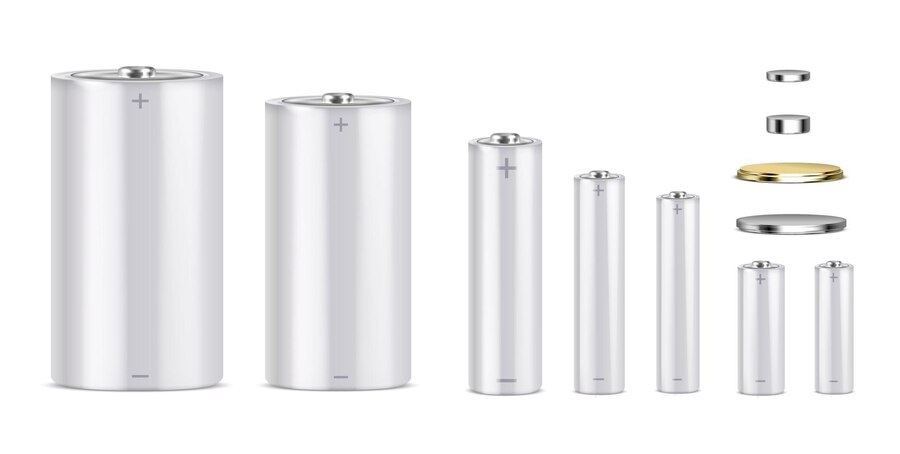
Lithium-ion batteries, including Nickel Manganese Cobalt (NMC) variants, have long dominated the electric vehicle (EV) industry. Renowned for their balance of charging speed, energy density, and lifespan, they have powered the EV revolution. However, advancements in technology now position aluminum-ion batteries as a formidable challenger to lithium-ion’s reign.
Revolutionizing Energy Density
Aluminum-ion batteries boast a theoretical energy density of 1,060 Wh/kg, far surpassing the 450 Wh/kg typically achieved by lithium-ion batteries. This leap means lighter, more energy-dense batteries capable of powering EVs for longer distances, marking a significant shift in EV battery innovation.

Unmatched Durability and Lifespan
Durability is another area where aluminum-ion batteries excel. With new electrode technology, these batteries can retain 88% of their capacity even after 5,000 charge cycles. At low temperatures, they maintain their initial capacity over the same number of cycles, showcasing exceptional resilience.
Additionally, aluminum-ion batteries offer lifespans of up to 20 years, nearly eliminating the need for replacements during a vehicle’s lifetime. Capable of withstanding 10,000 complete charge-discharge cycles—equivalent to approximately 3.2 million kilometers—they provide unparalleled reliability. With optimized charging practices, their lifespan can extend further to about 15,000 cycles.
Enhanced Efficiency and Cost-Effectiveness
Efficiency is a hallmark of aluminum-ion technology, achieving up to 98% energy conversion with minimal waste. This not only boosts vehicle performance but also aligns with sustainability goals. Furthermore, aluminum-ion batteries are more cost-effective than lithium-ion alternatives, making them an attractive solution for manufacturers aiming to reduce production costs without sacrificing quality.
Feasibility in EV Applications
Research highlights the practicality of aluminum-ion batteries for EVs. A 100 kg aluminum-ion battery pack with 50 cells could deliver approximately 32 km of range. While lithium-ion still holds the edge in long-range applications, continued advancements in aluminum-ion technology may soon bridge this gap.
R
F
Forbes reported that Researchers at the University of Queensland have developed graphene aluminum-ion battery cells that charge up to 60 times faster than traditional lithium-ion batteries. These batteries also offer higher energy density and are more sustainable, as they don’t rely on rare earth metals.
This advancement could significantly enhance electric vehicle range and charging times, potentially transforming the EV industry
Conclusion
As the EV industry evolves, aluminum-ion batteries are emerging as a revolutionary alternative, offering superior energy density, durability, efficiency, and affordability. While lithium-ion batteries remain the standard, aluminum-ion advancements may soon redefine the landscape of electric mobility, making EVs more efficient, reliable, and sustainable than ever before.